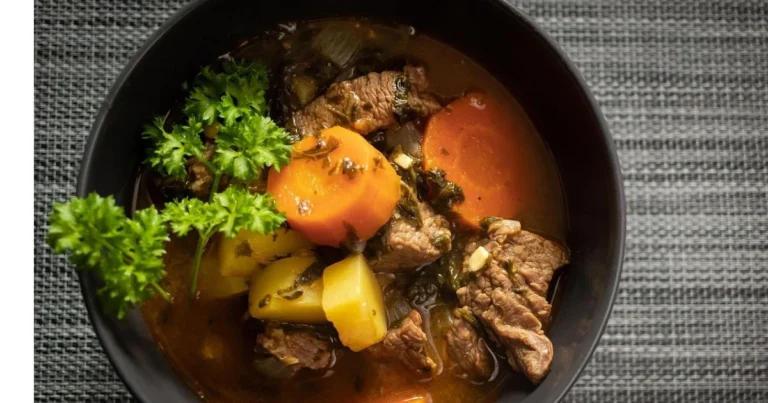
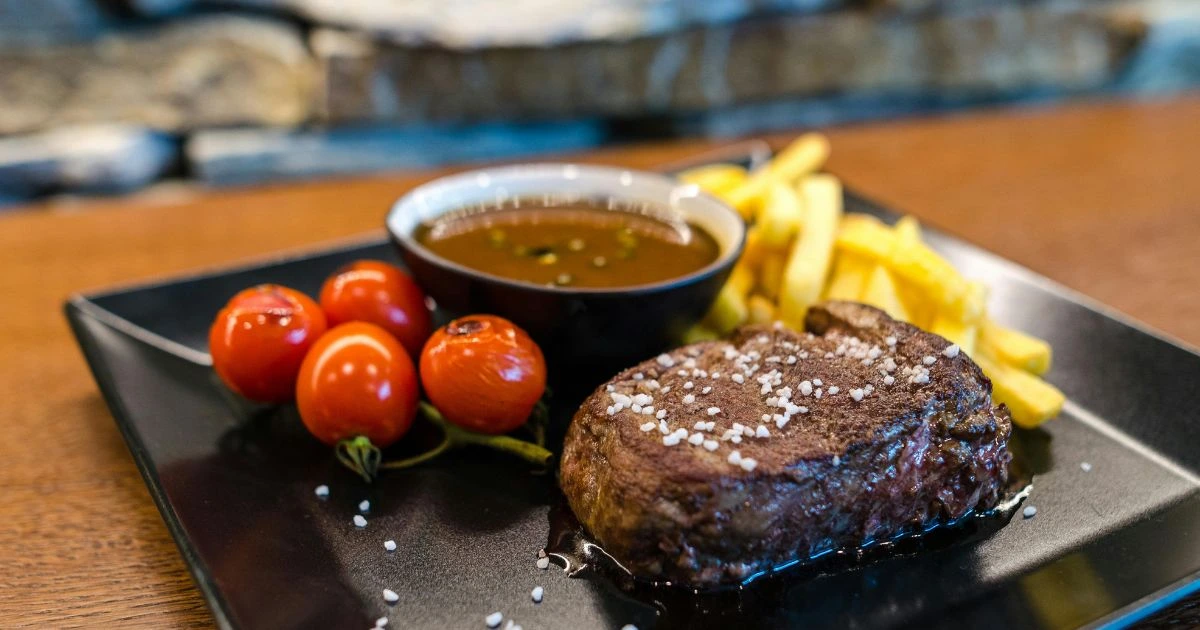
beef gravy recipe
how to make beef gravy recipe
Making a rich and savory homemade gravy can take your cooking to the next level. It doesn’t matter if you’re a pro in the kitchen or just starting out. Learning to make a tasty beef gravy is a skill worth mastering.
To start, you’ll need some key ingredients and basic cooking tools. This guide will help you make a gravy that’s sure to impress. It’s perfect for enhancing your favorite dishes.
Key Takeaways
- Learn the basics of creating a delicious homemade gravy
- Discover the essential ingredients and equipment needed
- Understand the steps to make a savory beef gravy from scratch
- Improve your culinary skills with a rich and flavorful gravy
- Elevate your meals with a perfectly complementary gravy
The Basics of Perfect Beef Gravy
To make your meals better, learning to make a classic beef gravy is key. A good gravy balances flavors, textures, and temperatures. It’s a must-have that can turn a meal around.
Knowing the basics is crucial for a tasty gravy. Choose high-quality ingredients for the best flavor. The beef stock or drippings you pick greatly affects the gravy’s taste.
What Makes a Great Beef Gravy
A top-notch beef gravy has a rich, savory flavor and smooth texture. Start with a solid base, like beef stock or roast drippings. The goal is to boost the natural flavors without drowning them out.
| Component | Description | Impact on Flavor |
|---|---|---|
| Beef Stock | The liquid base of the gravy, made by simmering beef bones. | Provides depth and richness. |
| Roux | A mixture of flour and fat used to thicken the gravy. | Adds thickness and a nutty flavor when cooked. |
| Seasonings | Herbs and spices added to enhance the flavor. | Customizes the taste to your preference. |
The Science Behind Rich Flavor
The science of a rich, savory beef gravy is about how ingredients work together. The Maillard reaction happens when you cook your roux or reduce your stock. It makes the flavors deeper.
By adjusting cooking time and temperature, you can get a richer flavor in your best beef gravy recipe.
Essential Ingredients for Beef Gravy
The secret to a rich and savory beef gravy lies in its core ingredients. To make a delicious beef gravy, you need to understand the components that come together to create its depth of flavor.
Base Ingredients
The foundation of any good gravy is its base ingredients. These include beef broth, flour, and fat (such as butter or oil). The beef broth gives the primary flavor, while the flour thickens it. The fat is used to make a roux, which is key for a smooth gravy. For an easy beef gravy recipe, using high-quality beef broth is crucial.
Flavor Enhancers
To elevate your gravy, you’ll need flavor enhancers like onions, garlic, and herbs. These ingredients add complexity and depth to your gravy. Sauteing these ingredients before adding the broth can significantly enhance the flavor.
Optional Add-ins
For a more sophisticated gravy, consider adding optional ingredients. Mushrooms or a splash of red wine can transform your from scratch beef gravy into a memorable accompaniment. The key is to balance these ingredients so they complement the overall flavor.
| Ingredient | Purpose |
|---|---|
| Beef Broth | Primary flavor |
| Flour | Thickening agent |
| Fat (Butter/Oil) | Making roux |
| Onions, Garlic, Herbs | Flavor enhancement |
| Mushrooms, Red Wine | Optional add-ins for complexity |
Equipment You’ll Need
The right tools are key to making a rich, savory beef gravy. You’ll need some basic kitchen equipment to start.
Must-Have Tools
To make great homemade beef gravy, you’ll need a few essential tools. You’ll need a saucepan to cook the gravy. A whisk is also important for mixing and smoothing the mixture. And, you’ll need measuring cups to measure the ingredients accurately. Having these tools makes the process easier.
Nice-to-Have Accessories
While not essential, some accessories can improve your beef gravy. A gravy separator helps separate juices from fat, making the gravy clearer. A fine-mesh sieve is also useful for straining the gravy. It removes lumps and excess particles. These tools can give your gravy a professional finish.
Classic Beef Gravy Recipe
Now, let’s dive into the classic beef gravy recipe. This guide will help you make a rich, savory gravy. It’s perfect for your favorite beef dishes.
Creating the Roux
To start, make a roux. Mix equal parts of fat (like butter or oil) and flour in a pan. Heat it over medium, stirring constantly. Cook until it’s light brown and smells nutty, about 5-7 minutes.
Adding Beef Stock or Drippings
Now, add the beef stock or drippings to your roux. Pour it in slowly, whisking to avoid lumps. Use store-bought or homemade stock for a deeper flavor. If you have roast drippings, they add a lot of taste. Simmer the mixture.
Simmering and Thickening
Lower the heat and simmer for 10-15 minutes. This will thicken the gravy. Test it by coating the back of a spoon; if it holds, it’s thick enough. If not, simmer a bit longer.
Final Seasoning Adjustments
Taste the gravy and adjust the seasoning. You might need salt, pepper, or herbs. Remember, a good gravy is all about balance. Don’t overdo it with the seasoning.
Follow these steps for a delicious classic beef gravy. It’s perfect for any beef dish, whether it’s a special occasion or a weeknight dinner. This gravy is sure to impress.
Alternative Methods for Making Beef Gravy
There are many ways to make beef gravy beyond the classic recipe. These methods add flexibility to your cooking. They ensure your gravy is a delicious addition to any meal.
Using Beef Drippings from Roasts
Using roast drippings is a flavorful way to make beef gravy. After roasting beef, deglaze the pan with red wine or beef broth. This captures all the browned bits.
Then, mix these drippings with flour or cornstarch to thicken. This creates a rich and savory beef gravy.
This method is great because it reduces waste and intensifies flavor. It’s perfect with roast beef.
Quick Beef Gravy with Bouillon
For a quick option, use beef bouillon to make delicious beef gravy. Mix bouillon with flour or cornstarch. Then, add it to a hot pan, whisking to avoid lumps.
Adding a teaspoon of dried thyme or rosemary can enhance flavor. This simple step makes your gravy more complex and appealing.
Slow Cooker Beef Gravy
Using a slow cooker is another easy beef gravy recipe method. Mix beef broth, flour or cornstarch, and seasonings in the slow cooker. Cook on low for a few hours.
This method is perfect for busy days or meal prep. It results in a rich, comforting gravy that’s sure to please.
| Method | Time Required | Flavor Profile |
|---|---|---|
| Using Beef Drippings | 30 minutes | Rich, savory |
| Quick Beef Gravy with Bouillon | 15 minutes | Convenient, customizable |
| Slow Cooker Beef Gravy | Several hours | Deep, comforting |
There are many ways to make delicious beef gravy. Whether using roast drippings, bouillon, or a slow cooker, the key is balance and consistency.
Common Mistakes to Avoid
When making beef gravy, several common mistakes can be avoided. Knowing these can help you make a rich, flavorful gravy. This gravy will enhance your meal.
Texture Problems and Solutions
Lumps in the gravy are a common issue. They happen when the roux isn’t mixed well or when stock is added too fast. To avoid lumps, mix your roux smoothly before adding stock or broth. Whisk continuously while adding.
If your gravy is too thin, simmer it longer to reduce it. Or, add a bit more roux to thicken it.
For the right consistency, use a slurry. Mix cornstarch or flour with cold water. Add this slurry towards the end of simmering. It thickens the gravy without a starchy taste.
| Texture Issue | Solution |
|---|---|
| Lumpy Gravy | Whisk continuously when adding stock; ensure roux is smooth. |
| Too Thin | Simmer longer or add more roux. |
Flavor Issues and Fixes
Flavor problems, like a bland or salty gravy, can occur. A bland gravy might come from using low-sodium stock or not browning the roux enough. Use rich beef stock and brown your roux well to improve flavor.
If your gravy is too salty, dilute it with unsalted stock or water.
“The key to a great gravy is in the balance of flavors and the richness of the stock.”
Julia Child
It’s important to adjust seasoning towards the end of cooking. Taste your gravy often and adjust as needed. It’s easier to add more seasoning than to remove too much.
Storing and Reheating Your Beef Gravy
After making your savory beef gravy, it’s key to know how to store and reheat it. This keeps its flavor and quality. Following the right steps will make your beef gravy recipe stay tasty for days.
Refrigeration Guidelines
First, cool your beef gravy to room temperature to stop bacteria from growing. Then, put it in an airtight container. Your easy beef gravy recipe can stay fresh in the fridge for 3-4 days. Always check for spoilage before you reheat it.
Freezing and Thawing Methods
For longer storage, freeze your beef gravy. Pour it into an airtight container or freezer bag, leaving space for expansion. It can last up to 3-4 months in the freezer. To thaw, leave it in the fridge overnight or thaw quickly in cold water. Reheat it slowly to keep the flavor and texture.
| Storage Method | Duration | Reheating Method |
|---|---|---|
| Refrigeration | 3-4 days | Gentle heat |
| Freezing | 3-4 months | Thaw overnight, reheat gently |
By following these tips, you can enjoy your savory beef gravy at its best, even days later. Whether you refrigerate or freeze, your beef gravy recipe will add flavor to your meals.
Conclusion
You’ve learned how to make a rich and savory classic beef gravy. Now, it’s time to try out your new skills. By mastering these techniques, you can make your meals even better with a delicious beef gravy.
Whether it’s for a special occasion or just a weeknight dinner, a great beef gravy can make a big difference. Try different ingredients and methods to find your favorite. Get creative and make your gravy your own.
With practice, you’ll get really good at making a classic beef gravy. It will add a rich, meaty flavor to your favorite dishes. Enjoy the delicious taste that a great beef gravy brings to your table.
FAQ
What is the best way to thicken beef gravy?
A roux made from flour and fat is the top choice for thickening beef gravy. Cornstarch or reducing the gravy by cooking it longer are also good options.
Can I make beef gravy without drippings?
Yes, you can make beef gravy without drippings. Use beef broth or stock as a substitute. You can also make a gravy with bouillon cubes.
How do I prevent lumps in my beef gravy?
To avoid lumps, whisk constantly when adding flour or cornstarch. Cook the roux for enough time.
Can I freeze homemade beef gravy?
Yes, you can freeze homemade beef gravy. Cool it completely, then put it in an airtight container or freezer-safe bag. Thaw it in the fridge overnight or reheat it gently.
How long can I store beef gravy in the fridge?
Beef gravy can be stored in the fridge for 3-4 days. Reheat it to a simmer before serving.
What are some common flavor enhancers for beef gravy?
Onions, garlic, thyme, and rosemary are common flavor enhancers. Red wine, Worcestershire sauce, or soy sauce can also add depth.
Can I make beef gravy in a slow cooker?
Yes, you can make beef gravy in a slow cooker. Sauté onions and garlic first. Then add the rest and cook on low for hours.
How do I reheat frozen beef gravy?
To reheat frozen beef gravy, thaw it in the fridge overnight. Then, reheat it gently over low heat, whisking constantly. You can also use the microwave, stirring every 30 seconds until smooth.